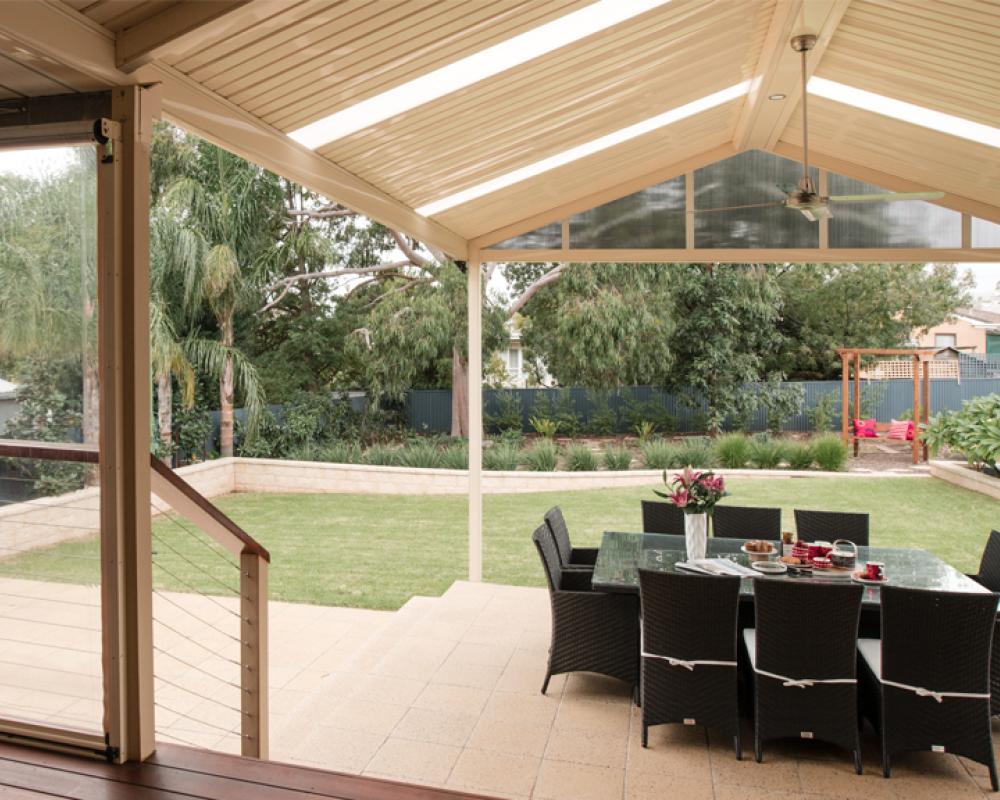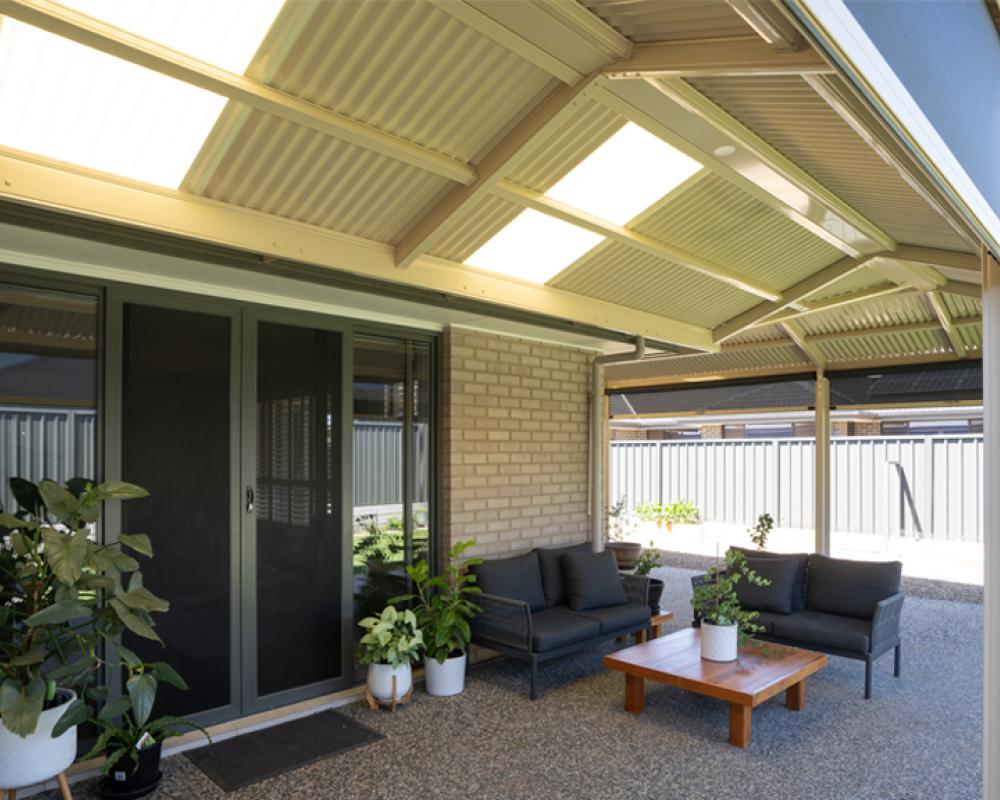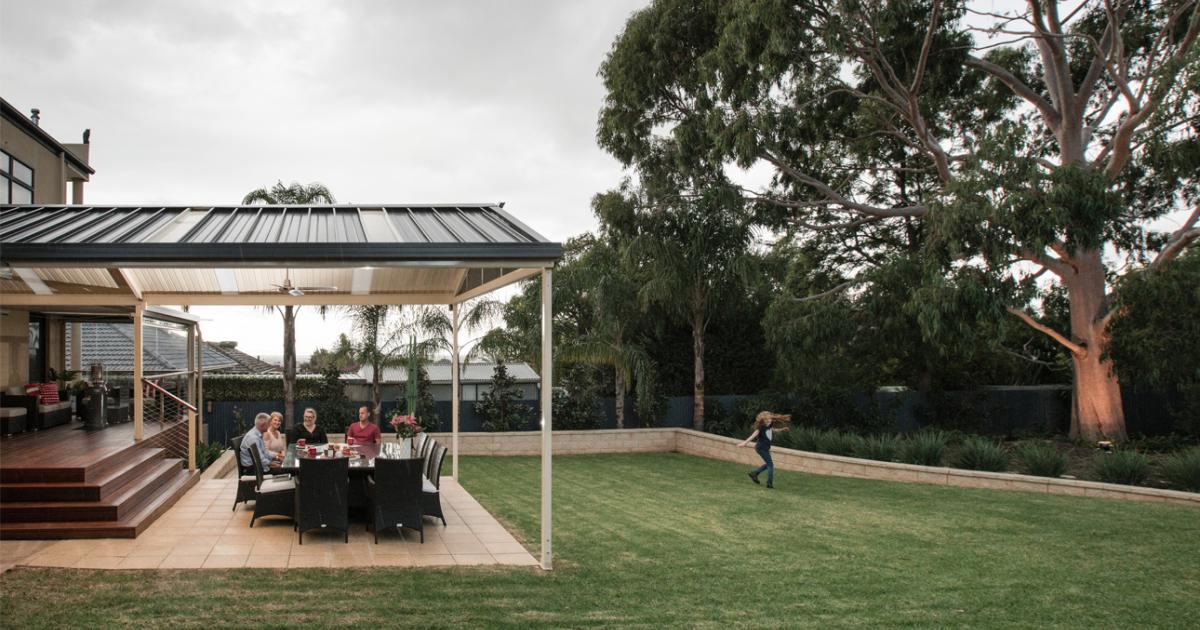
Many home extension conversations start with the same question: do you build more rooms, or do you make better use of what you already have? For a lot of Australian homes, the answer isn’t another wall or doorway - it’s the space just outside the house.
A well-planned patio doesn’t feel like an extra room. It feels like space you didn’t realise you were missing. Somewhere to sit with a coffee, eat outside, or slow things down at the end of the day.
When it’s done properly, it doesn’t draw attention to itself, it just works in the background. And that usually comes down to treating the patio as part of the house from the start, not something added on once everything else is finished.
Start with movement, not styling
It’s easy to jump straight to finishes - tiles, furniture, colours - but patios tend to work best when you think about how the house is used first.
Pay attention to daily routines rather than ideal ones. Before finishes or furniture come into it, it helps to look at how the house is actually used.
Kitchens and dining rooms are often the first places people think about opening up, but they’re not always where time is spent. In many homes, it’s the family room that carries most of the load. In others, there’s a corner of the house that feels shut off for no real reason.
When a patio is placed where people already pass through, it just becomes part of the house.
Let the transition do the work
A seamless indoor-outdoor space usually isn’t the result of one standout feature. It’s the sum of a few sensible decisions made early.
Floor finishes are usually where people begin, mostly because they’re obvious. They don’t need to match perfectly inside and out, but they should sit comfortably next to each other. When they do, the transition feels easy rather than deliberate.
Ceiling height plays a similar role. When it relates well to the interior, the patio feels intentional instead of added on.
Lighting is often the final piece. The rule here is simple: If the patio works after dark, it tends to be used more often. If it does not, it becomes something you walk past rather than into.
The role of the patio roof
The patio roof often goes unnoticed when it’s doing its job well. It filters light, takes the edge off the weather, and quietly sets the tone for the space.
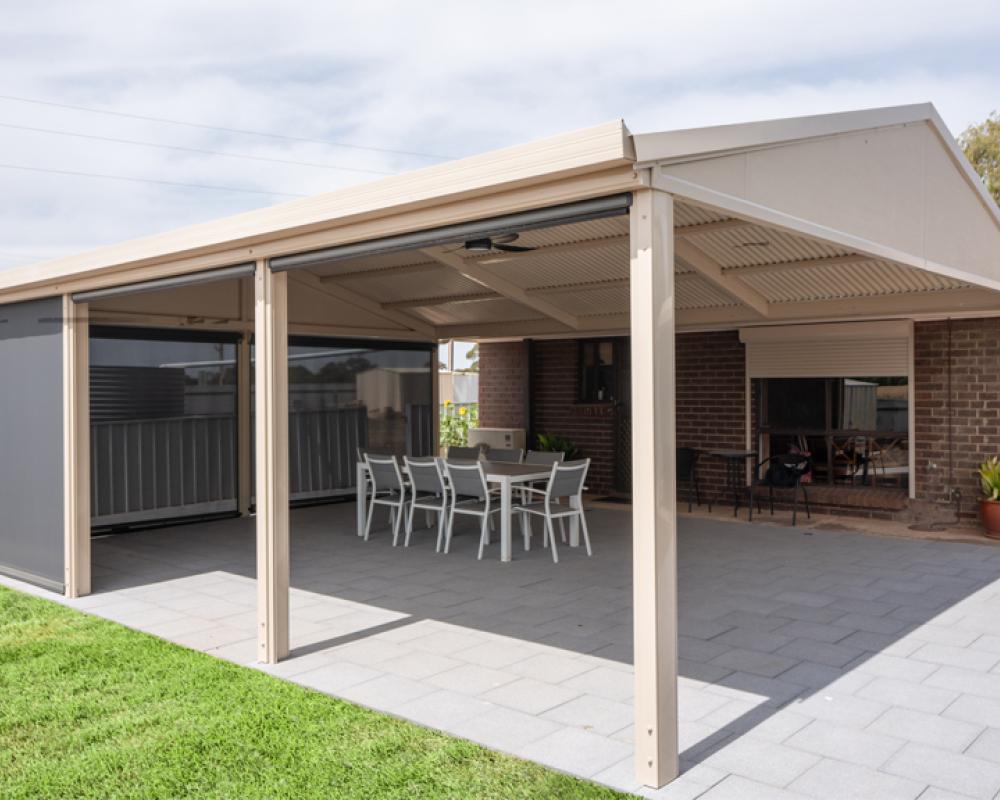
Steel patio roofing is commonly chosen for the flexibility it allows. When manufactured from COLORBOND® steel, it can span further with fewer supports, which suits many contemporary outdoor structures. Less bulk, fewer posts, and a lighter feel overall.
In some designs, pairing a solid roof with a COLBROND® steel pergola or open sections encourages airflow while still providing shelter.
There’s no universal solution - the right patio roof depends on how the space will actually be used.
Think about real use, not ideal use
Designing a patio that’s purely used for entertaining is easy. Designing one that also works on a casual Tuesday evening is harder.
Features like outdoor kitchens, fire pits, or built-in seating can be useful, but only if they line up with how the space will really be used. If outdoor cooking or entertaining isn’t part of the weekly routine, those features can end up taking up space without adding much back. Spaces planned around real habits usually get used more often - and for longer.
Zoning helps here. Even a simple patio can feel more usable when different areas are suggested through layout, lighting or furniture placement.

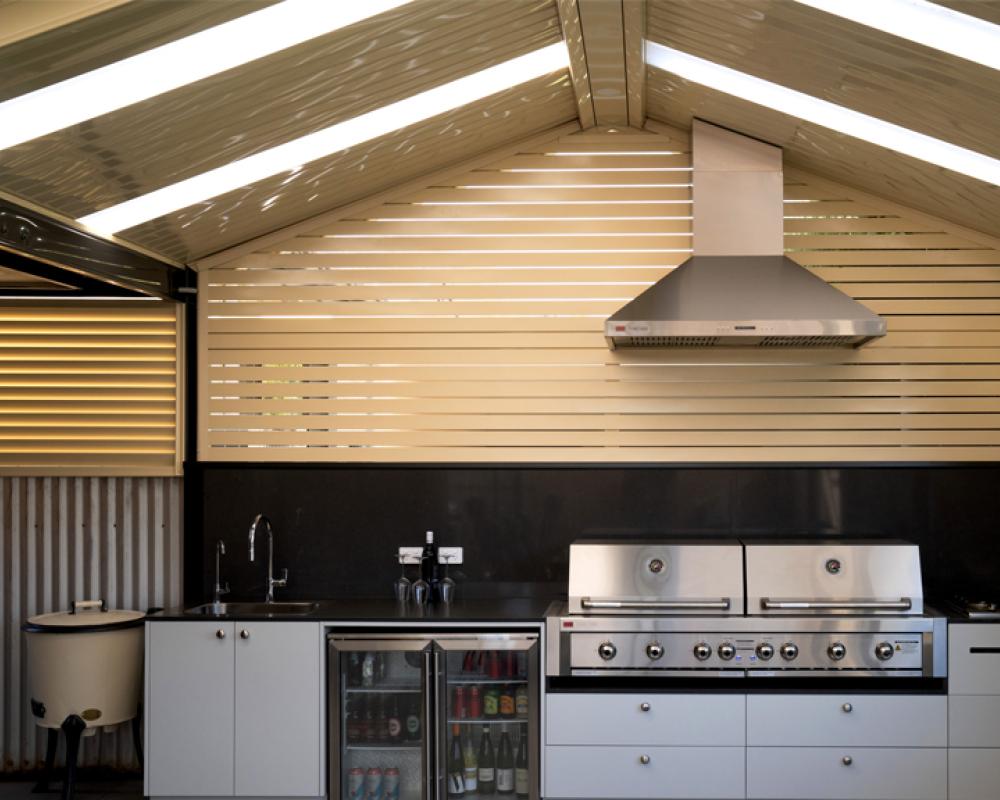
When a patio already exists
Many homes already have a patio that is underused. Not because it is badly built, but because it doesn’t quite work.
Sometimes a patio falls short for simple reasons. It gets too hot. It feels exposed. Or it’s awkward to get to from inside the house.
In many cases, making a patio work better doesn’t mean starting again. Updating the structure or replacing the patio roof can change how the space feels almost immediately. Even small changes can improve comfort and make the area easier to use.
Before anything is built
Council requirements should always be checked early. Patio extensions and outdoor structures most often need approval, particularly when rooflines or site coverage change.
Orientation is one of those things that only really makes sense once you’ve lived with it. A north-facing patio behaves very differently to one that faces west, particularly as the afternoon sun drops and heat builds.
These factors, along with council approval requirements, are best raised early with a builder or designer. It’s much easier to account for them at the planning stage than to work around them later.
A seamless fit
The best patio extension ideas don’t make a statement. They sit comfortably alongside the home and feel like they belong there, creating a natural flow between indoor and outdoor living without a clear dividing line.
Fielders® steel patio solutions are designed to support this kind of outcome, offering flexibility in structure and layout without pushing a particular style.
What this means for your project
A patio might sound straightforward, but the outcome is shaped by a few early choices. Where it connects to the house. How it’s likely to be used. How it responds to light, weather, and orientation.
When those decisions are made carefully, and supported by durable materials, a patio extension can feel less like something added later and more like part of the home you’ve always lived with.